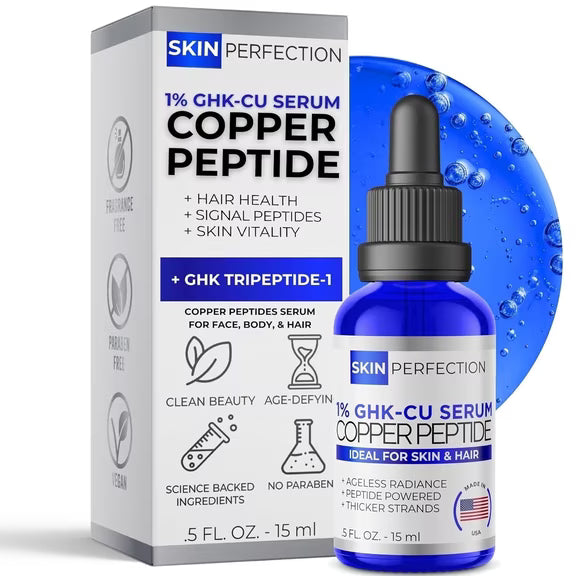
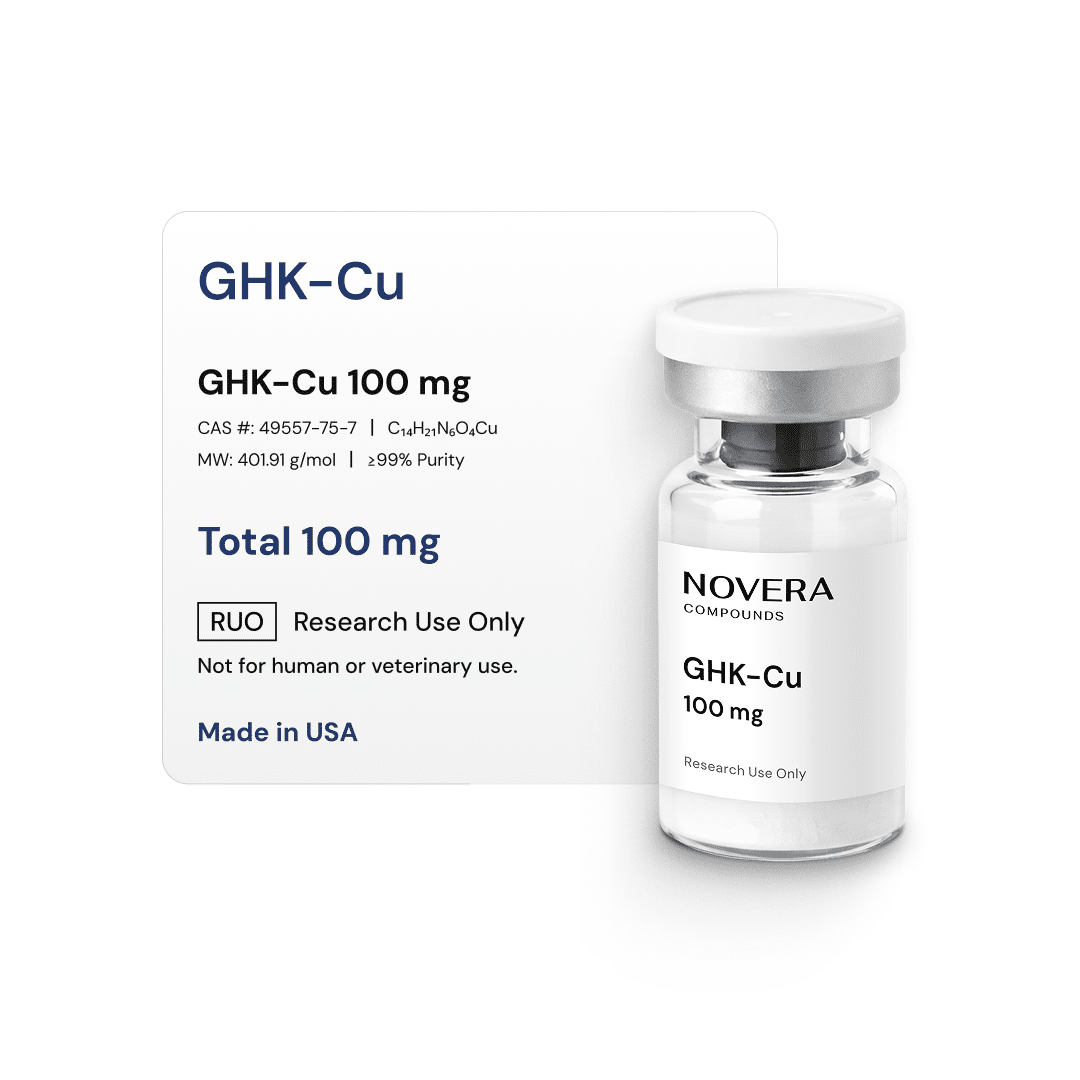
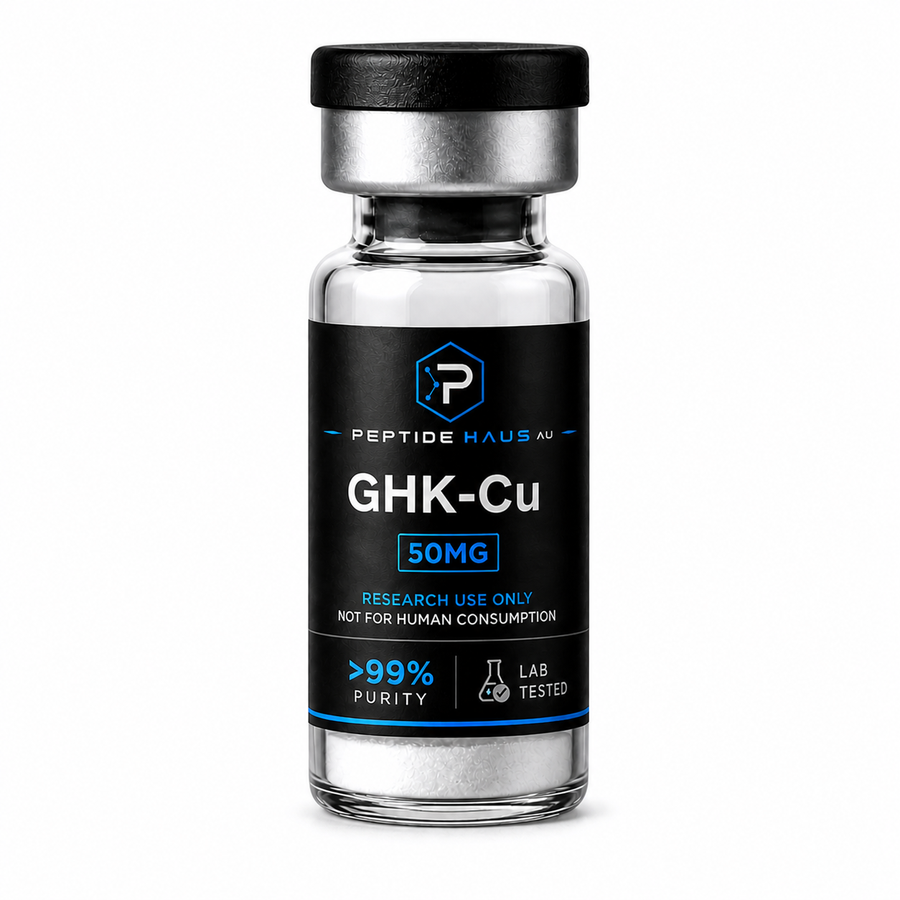
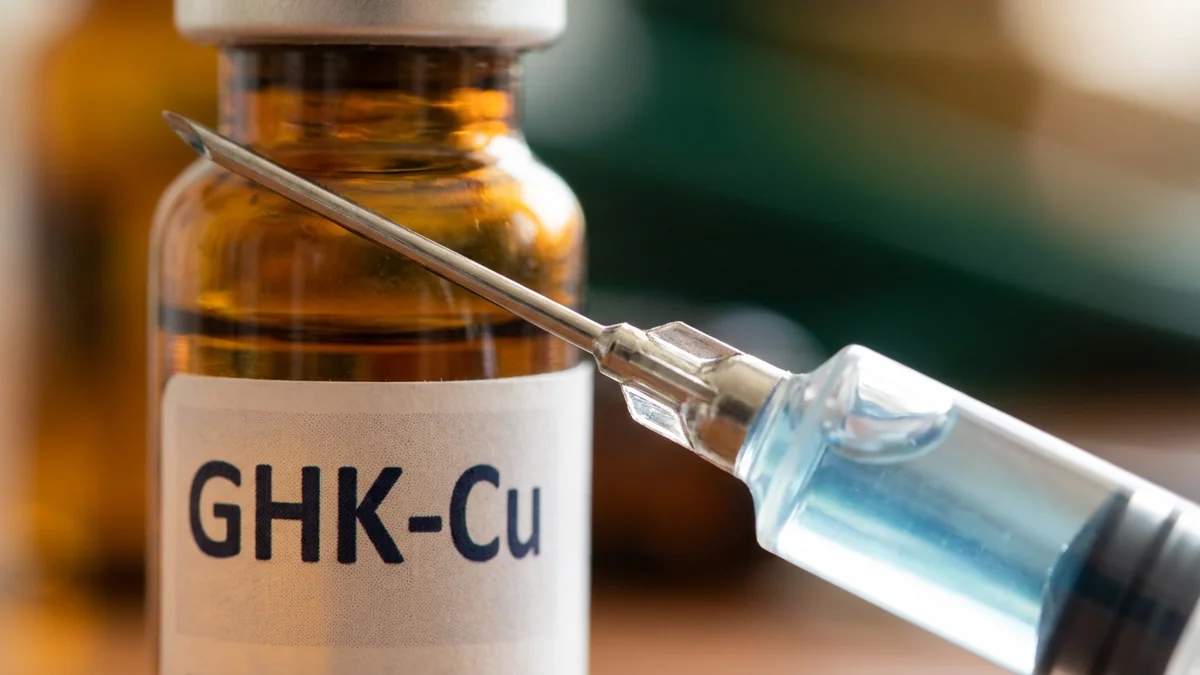
In chondrocyte cultures, GHK-Cu increased the expression of type II collagen, the main structural protein of hyaline cartilage, as well as aggrecan, the most important proteoglycan for the compressive resistance of articular cartilage
The timing of your injection is strategic, designed to work with your bodys natural cycle of GH secretion
Weeks 4-8 often bring the first subtle improvements
For those with severe deficiencies or particular health conditions, more frequent injections may be necessary
Populations at elevated risk are people on blood thinners, immune suppression, and those with severe kidney or liver disease

High-dose GHRP-6: Moderate-high risk Why it's concerning: Significant appetite increase (can derail diet) Prolactin elevation (gynecomastia risk in sensitive individuals) Cortisol increase at high doses Water retention When it might be acceptable: Moderate doses (100-200mcg, not 300+mcg) Short-term use (8-12 weeks) If appetite increase isn't problematic Safer alternatives: Ipamorelin (no prolactin/cortisol increase) Lower GHRP-6 doses with careful monitoring Hexarelin: Higher risk than benefits justify Why it's problematic: Rapid desensitization (must cycle frequently) Cortisol and prolactin elevation Heart stress concerns Diminishing returns Limited use cases: Very short cycles (4 weeks maximum) Experienced users only With careful monitoring Better options: Ipamorelin for sustained results GHRP-2 for middle ground Synthetic growth hormone: Highest overall risk Why avoid: Complete shutdown of natural GH production Organ growth (hands, feet, jaw, internal organs) Insulin resistance Expensive Requires PCT (post-cycle therapy) Legal issues in most countries Only justified for: Medical growth hormone deficiency Under physician supervision Replacement doses, not supraphysiological Much safer alternatives: CJC-1295 + Ipamorelin stack Natural peptides that stimulate endogenous GH No shutdown, no PCT needed See peptides vs steroids and peptides vs SARMs for safety comparisons