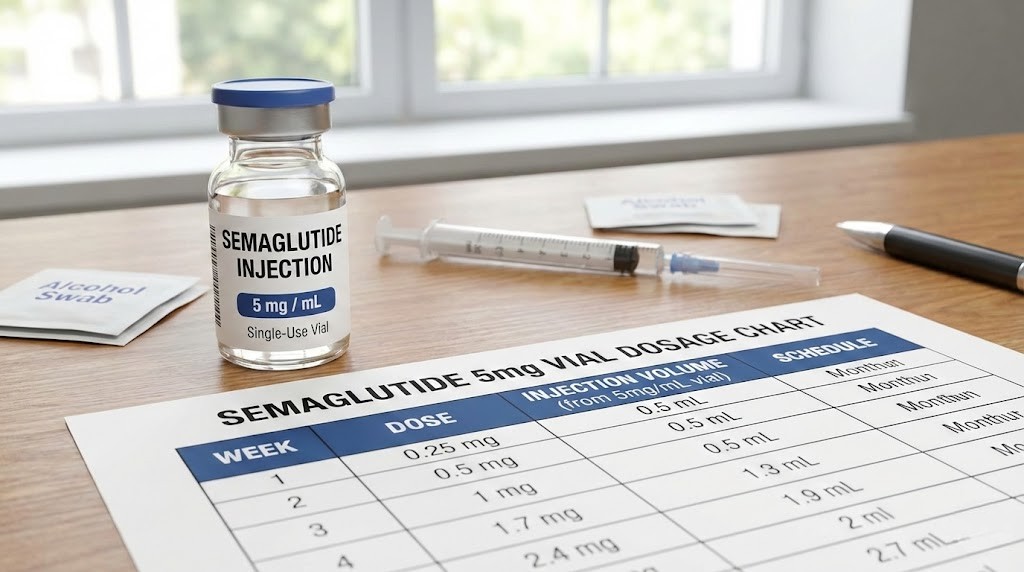
Pharmacokinetic Profile in Research Models Ipamorelin pharmacokinetic characterization in preclinical research reveals important properties for experimental design: Absorption and Half-Life: Plasma half-life: Approximately 2 hours following IV or SC administration Sufficient duration for pulsatile GH stimulation in research models Rapid absorption following subcutaneous administration Bioavailability comparable across multiple administration routes GH Stimulation Dynamics: Rapid GH elevation following administration (peak within 30-45 minutes) concentration-dependent GH release response Duration of GH elevation: 2-3 hours Return to baseline enabling repeat administration for pulsatile stimulation studies Selectivity Profile: Minimal ACTH/cortisol stimulation (major advantage over earlier GHRPs) No significant prolactin elevation at GH-releasing amounts Minimal impact on appetite/ghrelin-related feeding behavior Selective GHSR-1a activation without broad ghrelin mimetic effects These pharmacokinetic characteristics inform research protocol design, particularly for investigating selective GH effects independent of confounding hormonal changes
[13,32,33] (3) Mimotopes: They are typically a series of linear overlapping peptides designed to pinpoint either T cell or antibody epitopes and can be used to induce immune tolerance and/or to activate regulatory immune cells
These neurophysiological shifts were observed in preschoolers with ASD (35 males and 11 females) diagnosed through to DSM-5 and validated with ADOS-2 and ADI-R, with participants screened to exclude neurological syndromes, epilepsy, sensory impairments, gastrointestinal diseases, secial diets, and other major comorbidities
Influence of PARP-1 inhibition in the cardiotoxicity of the topoisomerase 2 inhibitors doxorubicin and mitoxantrone
Email us at [email protected] with the subject line MOLD , and well walk you through it
GLP-1/GLP-1r Signaling Regulates Ovarian PCOS-Associated Granulosa Cells Proliferation and Antiapoptosis by Modification of Forkhead Box Protein O1 Phosphorylation Sites