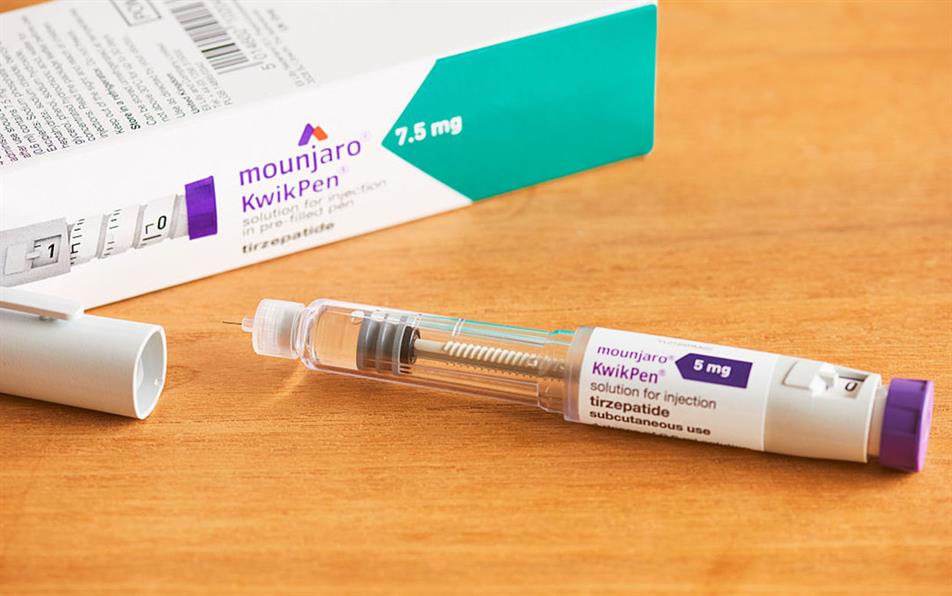
Dietary considerations may play a supportive role, although these are not proven to prevent gallstones in GLP-1 users: Maintain regular meal patterns rather than severely restricting calories, which helps stimulate regular gallbladder contraction Include moderate amounts of healthy fats in the diet (such as olive oil, nuts, and oily fish) to promote gallbladder emptying Ensure adequate hydration to support bile flow Avoid very low-calorie diets unless under specialist supervision For individuals at particularly high risksuch as those with a history of gallstones, rapid weight loss, or multiple risk factorssome specialists may consider ursodeoxycholic acid (UDCA) prophylaxis
Other rare but serious side effects to watch for and that require immediate medical attention include: Pancreatitis : Watch for severe stomach pain that persists and moves to your back
10.1093/nar/gku316 97 RobinsonI
A 12-week randomized trial demonstrated: Average weight loss of 2.6 kg in AOD-9604 group (1 mg/day) versus 0.8 kg in placebo group Preferential reduction in abdominal and visceral fat deposits No adverse effects on carbohydrate metabolism or insulin sensitivity Non-dose-dependent effects, with higher doses (10 mg/day) producing less weight loss than lower doses However, a subsequent 24-week Phase III trial with 502 subjects incorporating intensive diet and exercise showed no statistically significant weight loss compared to placebo, leading to development termination in 2007
Dual-modality nanoprobes combining GLP-1R-based PET and T1-weighted MRI enable noninvasive quantification of -cell mass, with potential application in therapeutic monitoring and patient stratification [451, 452]
Arnold directly by emailing him at [email protected] or visiting his web site at www.PitchingDoc.com