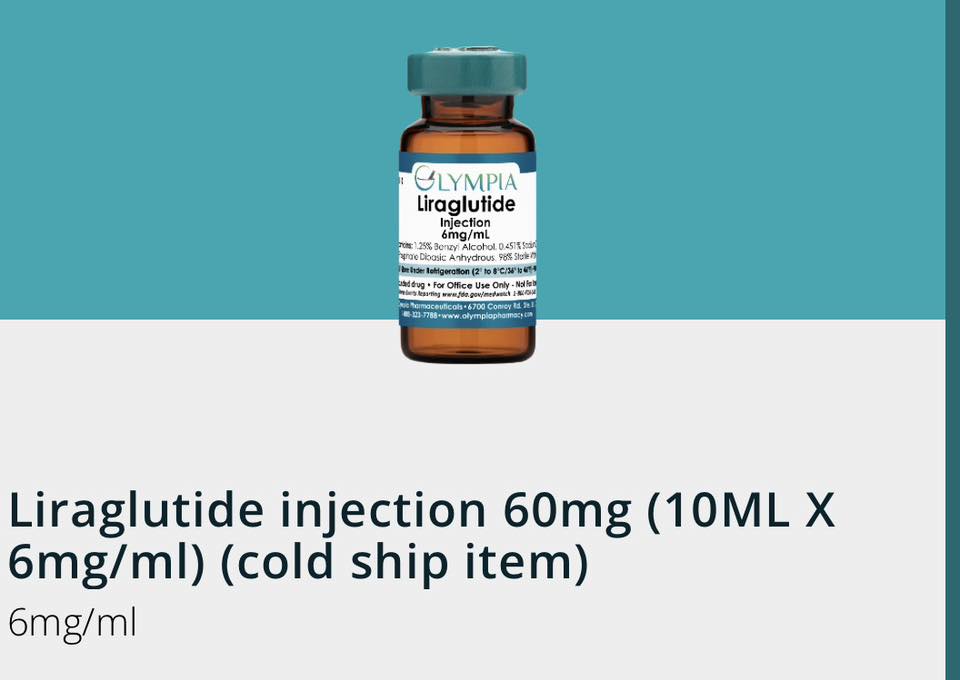
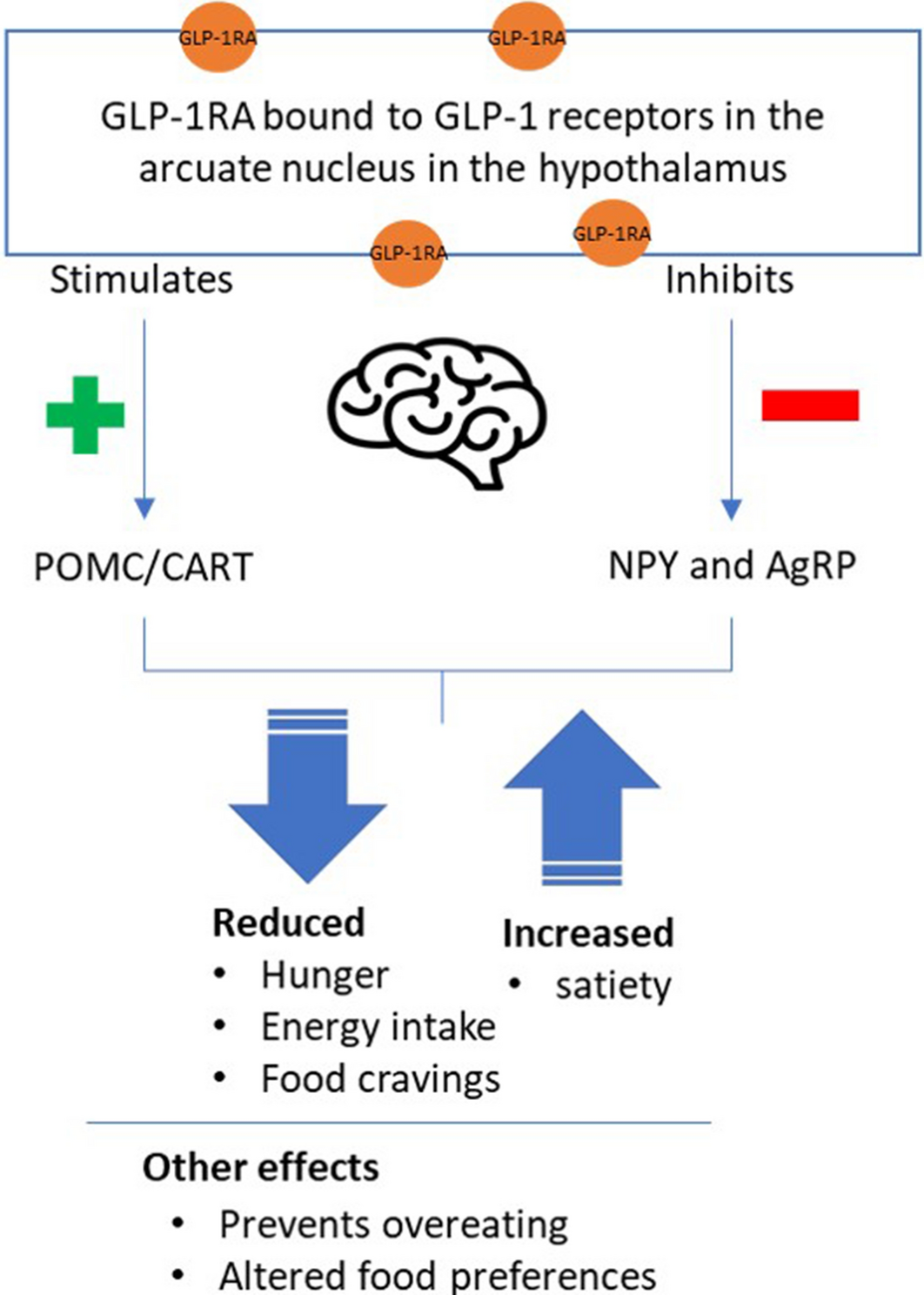
We have no data on years of use
This damage is irreversible
Cochleae are then rinsed in PBS-T and incubated in the appropriate fluorescent secondary antibodies in PBS-T with 10% goat serum for 2 hrs at room temperature
Safety and Tolerability Both compounds share a dominant, mostly mild-to-moderate gastrointestinal adverse-event profile nausea, vomiting, diarrhea, constipation, abdominal pain concentrated during dose escalation
Customer Support: Direct assistance via email or WhatsApp for dosage guidance and product queries
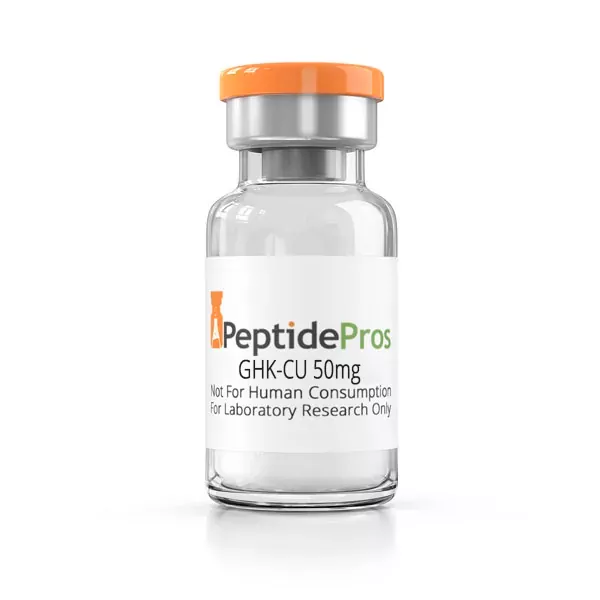
Related articles: - Is Reconstitution Solution the Same as Bacteriostatic Water?: comparing diluent types for peptide mixing - Bacteriostatic Water vs Sterile Water: which solvent to use and why it matters - Does Tirzepatide Expire?: shelf life for lyophilized vs reconstituted tirzepatide - How to Take BPC-157: reconstitution and injection guide for another common peptide - Does Tirzepatide Burn Fat?: what to expect once you start dosing - Does Tirzepatide Cause Headaches?: side effects during the first weeks - Can You Drink Alcohol on Tirzepatide?: safety considerations once you begin treatment - How to Inject Tirzepatide: injection technique after reconstitution - Is Compound Tirzepatide Safe?: safety assessment for compounded tirzepatide products - Tirzepatide Injection Site Reaction: preventing and managing injection site issues Related Articles How to Reconstitute Retatrutide How to reconstitute retatrutide step by step for 5mg, 10mg, and 20mg vials