Then, 1% thiobarbituric acid was added to the clarified homogenate and incubated at 90 C for 1 h, followed by addition of 250 L of n-butanol
Compounded Semaglutide Both platforms source compounded semaglutide from U.S.-licensed compounding pharmacies
Body weight and fasting plasma glucose were measured at before breakfast and dosing at baseline and end-of-treatment
They typically cost significantly more without insurance
I., Cumaoglu, A., Turhan, N

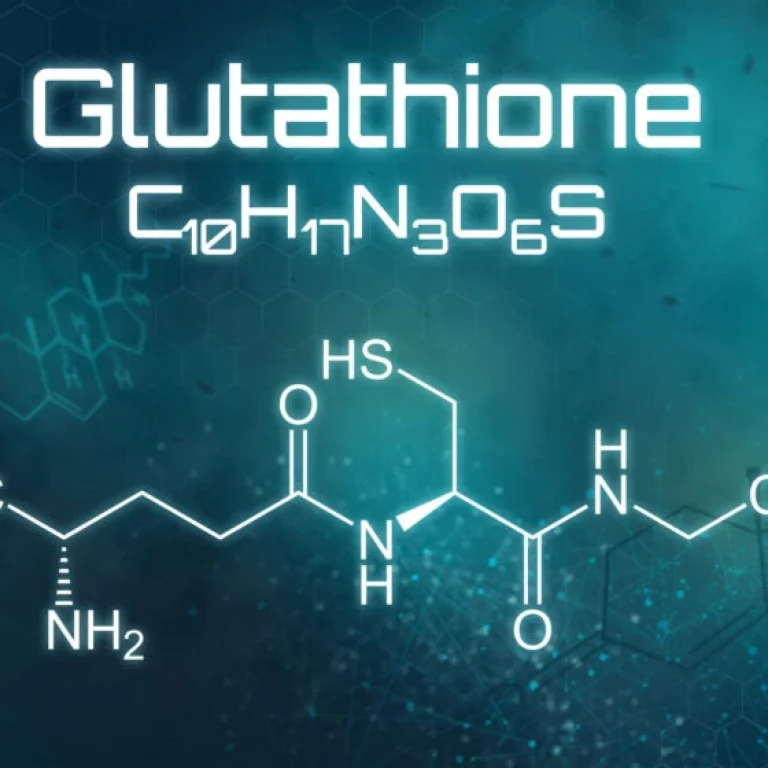
Step 1 Define your whitening meaning and claim boundaries Position as even tone + glow + dark spot appearance support , not change skin color Decide hero problem: dullness, uneven tone look, spots look, post-blemish marks look Set your compliance rules by market/channel (Amazon vs clinic vs retail) Step 2 Choose the brightening pathways (dont rely on glutathione alone) Antioxidant support: glutathione as part of a modern glow stack Pigment appearance support: TXA / arbutin / licorice derivatives Barrier + tone synergy: niacinamide (managed for tolerance) Step 3 Balance performance with tolerance and daily layering Add comfort stack (panthenol, allantoin/bisabolol, centella/aloe, ceramides) Avoid too many actives in one cream if your audience is sensitiveconsider a 2-SKU system (daily cream + spot product) Validate under sunscreen/makeup (pilling, shine, residue) Step 4 Validate stability, experience, and realistic results timeline Active compatibility and odor/color control (especially antioxidant systems) Consumer-feel testing: sting, tightness, and greasy film are top review killers Add routine education: AM SPF, PM consistency, and weeksnot days expectations Which textures work best for glutathione skin whitening cream