10.1038/ejcn.2017.132 38
Research interest around TB-500 often focuses on angiogenesis, cellular migration, flexibility, mobility and broader recovery mechanisms, making it a common pairing with BPC-157 in anecdotal peptide protocols
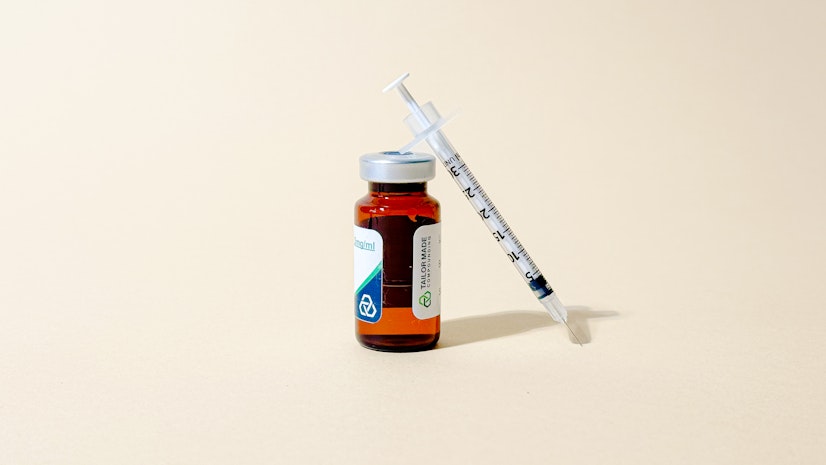
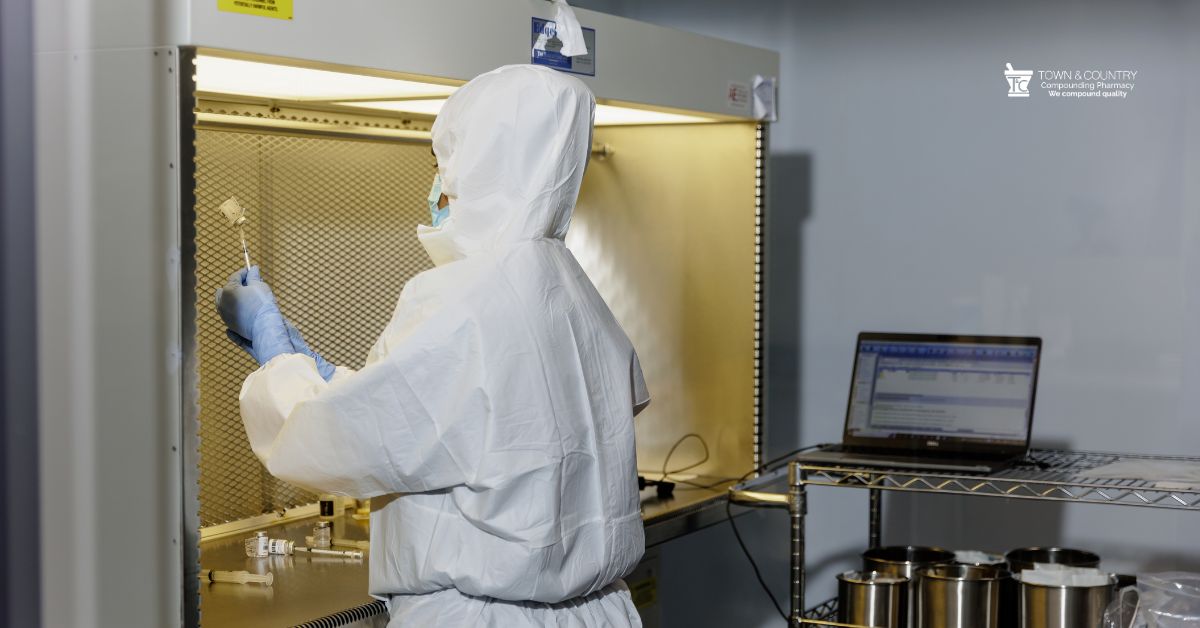
Sterile Technique is Paramount: Always use sterile syringes, needles, and vials
Zinc is an essential mineral for immune function and skin health
The two peptides act on non-overlapping points of the tissue-repair cascade: BPC-157 drives angiogenic and growth-factor signaling, including VEGF/VEGFR2 engagement and nitric-oxide pathway modulation, while TB-500 (thymosin -4) sequesters monomeric G-actin to modulate cytoskeletal remodeling and cell migration
How does the evolution of obesity pharmacotherapy, from early appetite-suppressant drugs to modern GLP-1 receptor agonists, reflect advancements in our understanding of metabolic processes and patient safety concerns