The American Heart Association (AHA) recommends deriving around 5-6% of your daily calories from unsaturated fats to support heart health

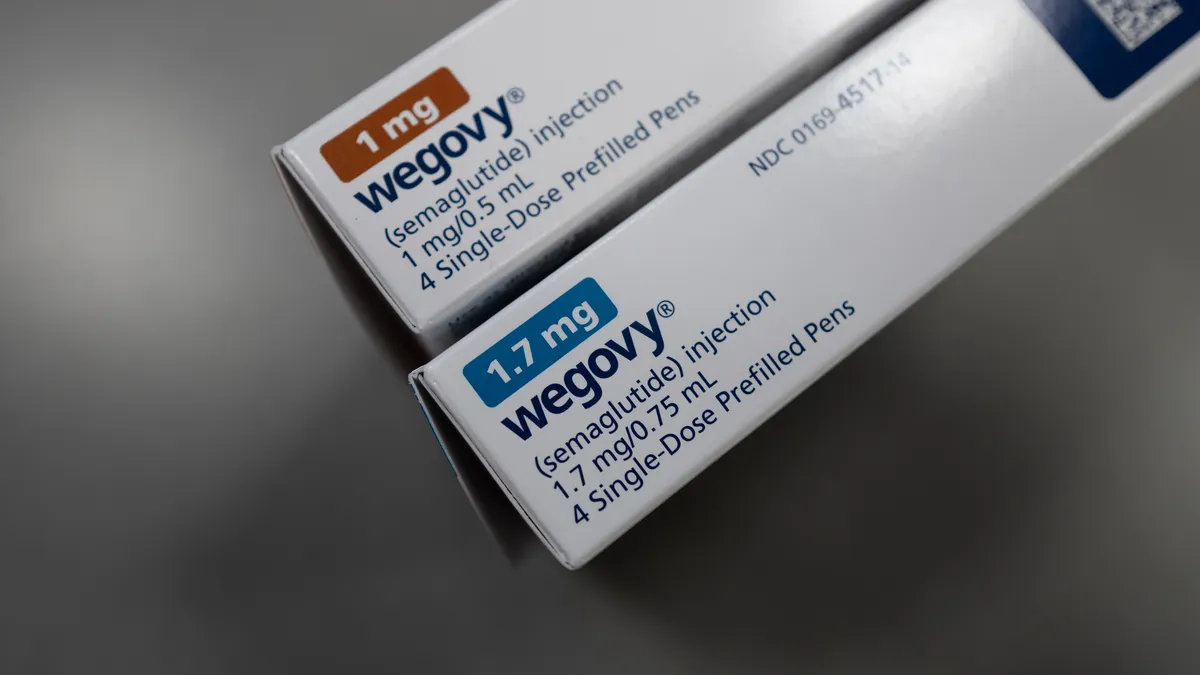
Reported Issues: Consumers report: That the supplement did not lead to weight loss or appetite suppression as advertised That the product was marketed using misleading claims about GLP-1 support That they paid for a product that did not provide the promised benefits That the supplements are promoted as alternatives to GLP-1 medications, despite not functioning like prescription GLP-1 drugs That marketing materials imply that these supplements are scientifically and medically proven and reliable, when evidence may be lacking That they would not have purchased the supplements if they had known the claims were not supported by reliable scientific evidence Experiencing adverse side effects such as stomach pain, bloating, nausea, or heart palpitations Why Individuals Should Be Concerned: Potential claims include: Economic loss Safety risk False advertising Product defect Performance vs
There are small clinical and post-procedure studies and multiple reviews
Excreeding this amount is generally unnecessary for most people and may lead to minor side effects like bloating or loose stools
Research news A recent meta-analysis presented at the European Congress on Obesity has found that glucagon-like peptide-1 receptor agonists and related multi-hormone obesity drugs were associated with lower systolic blood pressure in adults living with overweight or obesity A meta-analysis of 32 phase III studies involving 43,618 adults has found that contemporary obesity drugs used for weight loss were associated with a clinically relevant reduction in blood pressure, with systolic blood pressure reported to fall by 0.34 millimetres of mercury for each 1 per cent reduction in body weight
PMID 21167379