Most people with B12 deficiency do not have cancer, but if persistent and/or coupled with other concerning symptoms, unexplained cases should be evaluated by a Primary Care Provider
[1] [12] For most people, doses up to 2 mg (2000 micrograms) daily are unlikely to cause harm according to NHS guidance, as B12 is water-soluble and excess is typically excreted in urine
To avoid being charged for the next billing cycle, cancellations must be submitted at least 3 days before your billing date

Proposed use: Ulcerative colitis Proposed forms: Oral capsules, nasal spray, injections, transdermal cream, rectal suppository Proposed use: Wound healing Proposed forms: Subcutaneous or intramuscular injection SECRET TO WEIGHT LOSS MAY BE HIDING IN YOUR GUT, NEW STUDY SUGGESTS Proposed use: Wound healing and inflammatory condition Proposed forms: Cream and gel Proposed use: Obesity and osteoporosis Proposed forms: Subcutaneous injection Proposed use: Cerebral ischemia (shortage of blood flow and oxygen to the brain), migraine and trigeminal neuralgia (chronic pain condition in the face) Proposed form: Intranasal spray, subcutaneous injection CLICK HERE TO SIGN UP FOR OUR HEALTH NEWSLETTER Proposed use: Opioid withdrawal, chronic insomnia, narcolepsy Proposed form: Subcutaneous injection Proposed use: Insomnia Proposed form: Subcutaneous injection Performance medicine and peptide expert Dr
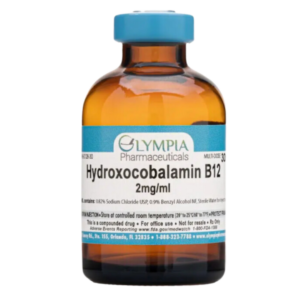
Not all B12 vitamin injections are created equally
Many other packaged foods can also contain gluten